-
Beauty Growing Through the Cracks
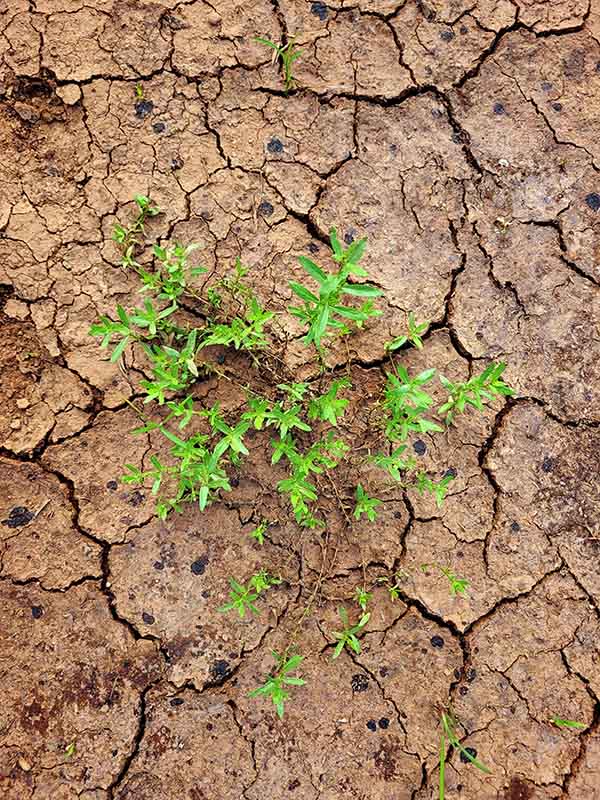
The image of cracked earth with small green plants emerging from within it reflects one of the most meaningful ideas in Japanese aesthetics: beauty does not disappear in imperfection. It often begins there. In the philosophy of wabi-sabi, weathered textures, irregular patterns, and signs of time are not flaws to hide but details that make something feel real and alive. The dry soil, fractured by heat and time, carries a quiet sense of resilience, while the delicate green growth softens the harshness of the landscape. Together, they create a balance that feels natural, calm, and deeply human. This same feeling…
-
Personalised. Craftmanship.
Custom craftsmanship offers a meaningful way to create gifts and keepsakes that truly reflect personal stories. If you are exploring handmade or custom pieces for special occasions, here are five simple tips to guide your choices. Custom craftsmanship is more than just buying something. It is about creating something with meaning. Whether for a celebration or a personal keepsake, a thoughtful design can make moments more memorable. Take your time, keep your ideas simple, and enjoy the process. With the right approach, you can create something unique that will be valued for years.
-
The Grass Beneath Our Feet
It has been a long break, but here I am, walking on a patch of grass. It is always there. Beside the footpath on your morning walk. Pushing through the cracks in the pavement outside your favourite café. Stretching across the park where children run, oblivious to the quiet miracle beneath their shoes. Grass is perhaps the most overlooked beauty in the world — and yet, when you pause long enough to look, it holds a universe of detail that can take your breath away. Watch a single blade after rain. It curves under the weight of a single droplet,…

-
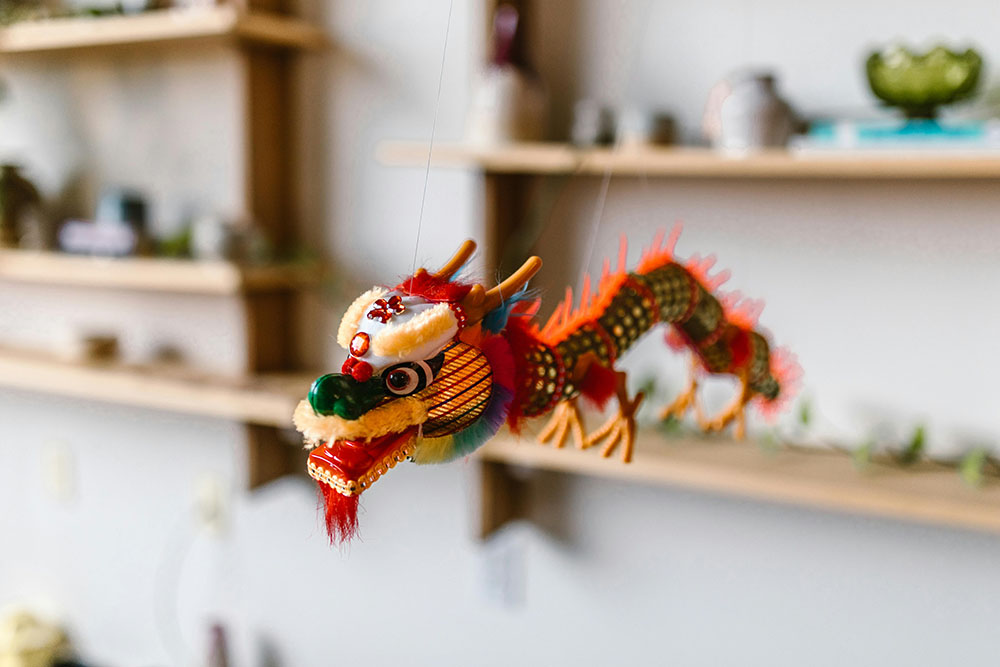
A Dragon’s Blessing for the Year of the Horse
Lunar New Year is a celebration of renewal, a turning point where light slowly returns and new intentions take root. In the quiet spirit of wabi-sabi, this season invites us to honor beginnings not through perfection, but through authenticity. It is a time to cherish what is handmade, slightly irregular, and deeply personal. Wabi-sabi, a Japanese aesthetic philosophy, teaches us to see beauty in imperfection and transience. A bead that sits just off center, a subtle variation in color, a thread pulled with a human touch. These details are not mistakes. They are evidence of care and presence. In a…
-
Strung with Meaning: Wabi-Sabi Gift Ideas Through Handmade Beadwork
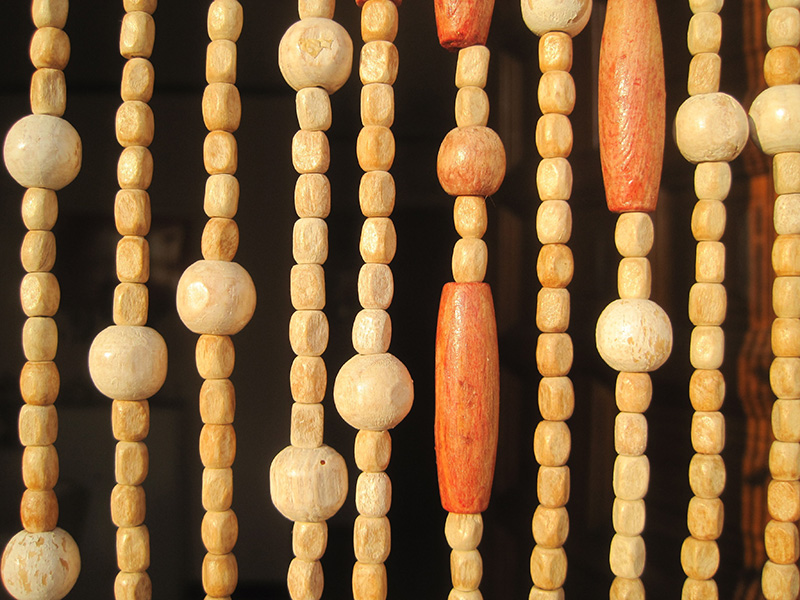
In a world saturated with mass-produced perfection, handmade beadwork offers a quieter, more meaningful alternative, one rooted in the wabi-sabi philosophy of embracing imperfection, impermanence, and authenticity. Beaded gifts invite us to slow down and appreciate the beauty of things made by hand, where no two pieces are ever exactly alike. Each bead, chosen and placed with intention, becomes part of a story that values character over polish and feeling over flawlessness. Beaded Jewelry: Beauty in the UnfinishedJewelry created through beadwork perfectly reflects wabi-sabi ideals. A bracelet with uneven spacing, slightly mismatched beads, or unexpected color shifts feels alive and…

-
Finding Beauty in Everyday Moments: Ball Pits, Beads, and the Quiet Joy of Small Things
One of the most beautiful things about a ball pit is that no two patterns are ever the same. Even when the colors, number of balls, and space remain identical, the arrangement is constantly changing. A small movement, a burst of laughter, or someone stepping in shifts everything. The pattern exists only briefly before rearranging itself into something new. It’s never meant to be permanent. This fleeting quality is deeply aligned with wabi-sabi. Rather than striving for symmetry or control, a ball pit embraces chance. Each configuration is imperfect, temporary, and unrepeatable—and that is exactly where its beauty lives. The…

-
Teacher in Nature – Appreciating Nature’s Quiet Beauty in Beadwork
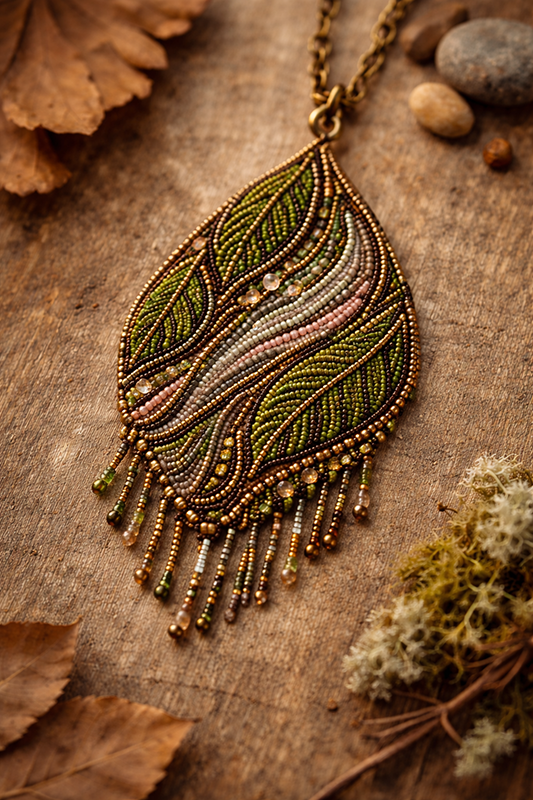
Nature has always been a patient teacher, offering patterns, rhythms, and colors that feel both ancient and endlessly new. This philosophy closely aligns with shizen, the Japanese design principle that honors naturalness and allows materials and forms to exist without force. In this style of beadwork, the natural world is translated into texture and shine through careful material choices and deliberate design. The pieces draw inspiration from forest floors, flowing water, wildflowers, and shifting skies, combining organic shapes with structured craftsmanship that feels both intuitive and intentional. At the heart of the design is a palette rooted in nature. Mossy…
-
How Handmade Gifts Embrace Wabi Sabi for Unforgettable Birthdays
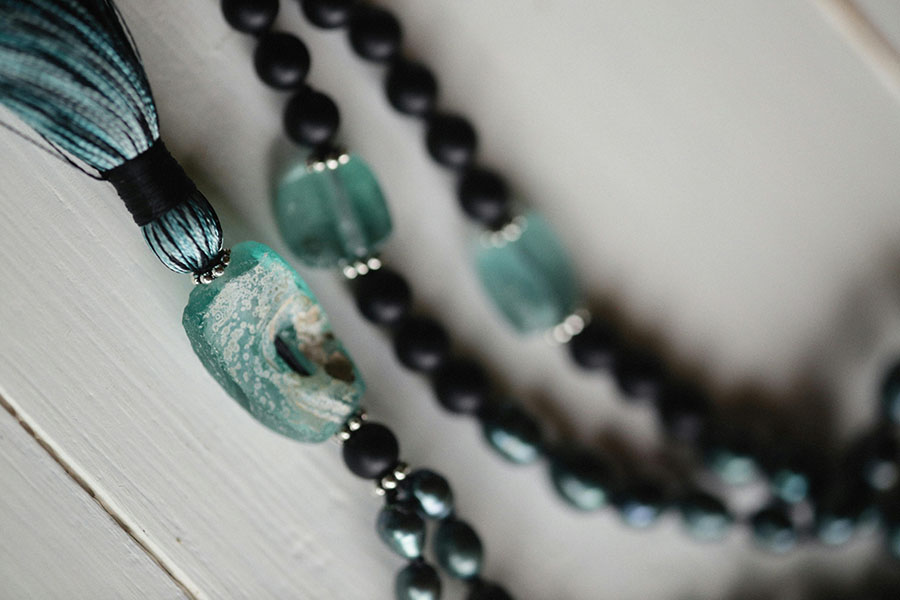
In a world driven by mass production, instant delivery, and polished perfection, there is quiet beauty in choosing handmade, one of a kind gifts and events. These creations do not chase flawlessness or uniformity. Instead, they embrace authenticity, intention, and the natural character that emerges when something is made by hand. Rooted deeply in the philosophy of wabi sabi, handmade design celebrates imperfection, impermanence, and the beauty of things exactly as they are. Embracing Imperfection in Design Wabi sabi teaches us to appreciate the organic, the incomplete, and the subtly imperfect. It invites us to slow down and notice the…
-
Fallen Leaves, Nature’s Patterns, and the Art of Beadwork
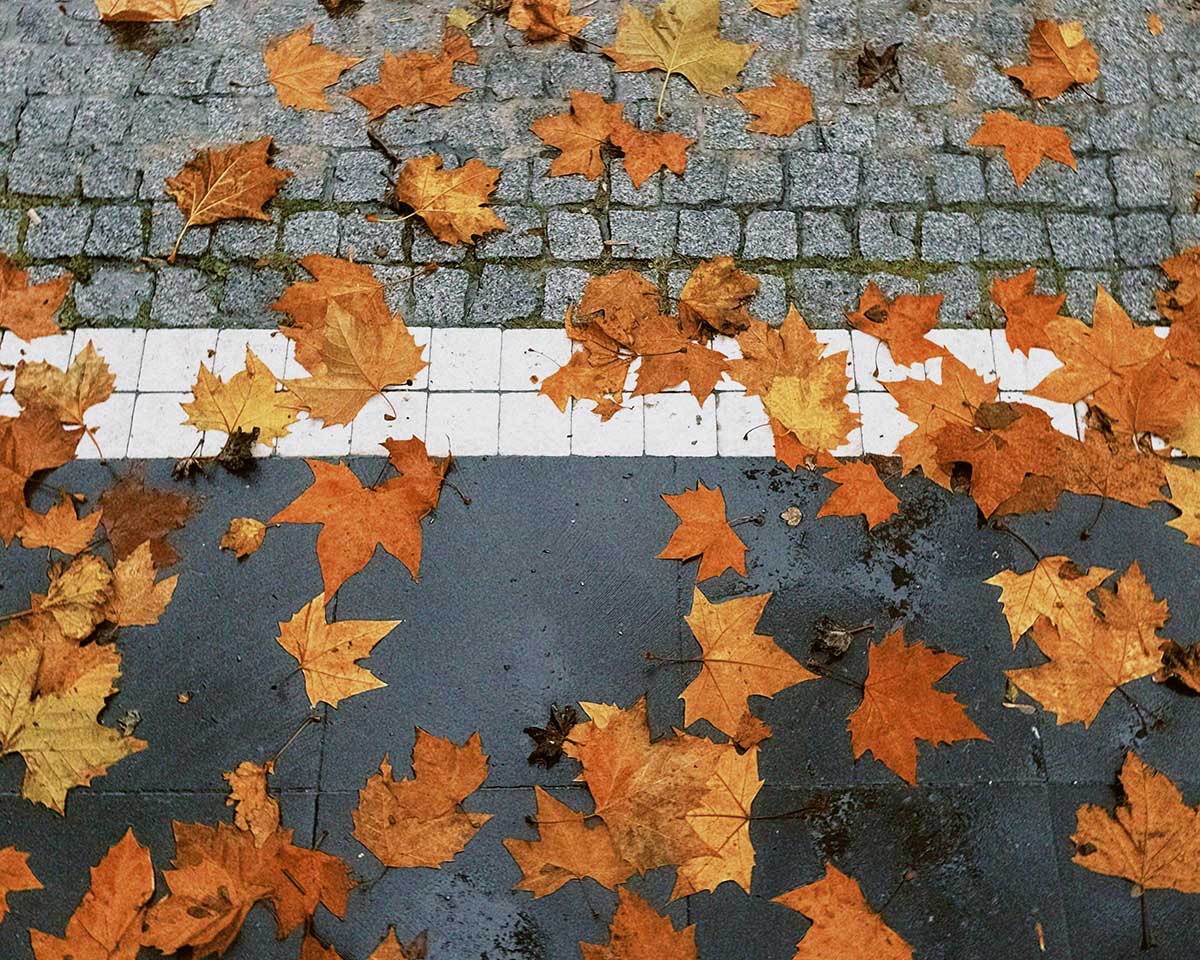
As autumn settles in and the trees release their leaves, I find myself drawn to the intricate patterns that nature creates in the most unexpected places. A fallen leaf, weathered and imperfect, often holds within it a story—a pattern of veins, edges softened by time, and a unique shape that will never be repeated. These delicate patterns are more than just beautiful to look at; they are the essence of imperfection and change, elements that inspire my beadwork. Fallen Leaves, and Its Beauty There’s something almost meditative about watching leaves drift to the ground. Each one is a testament to…
-
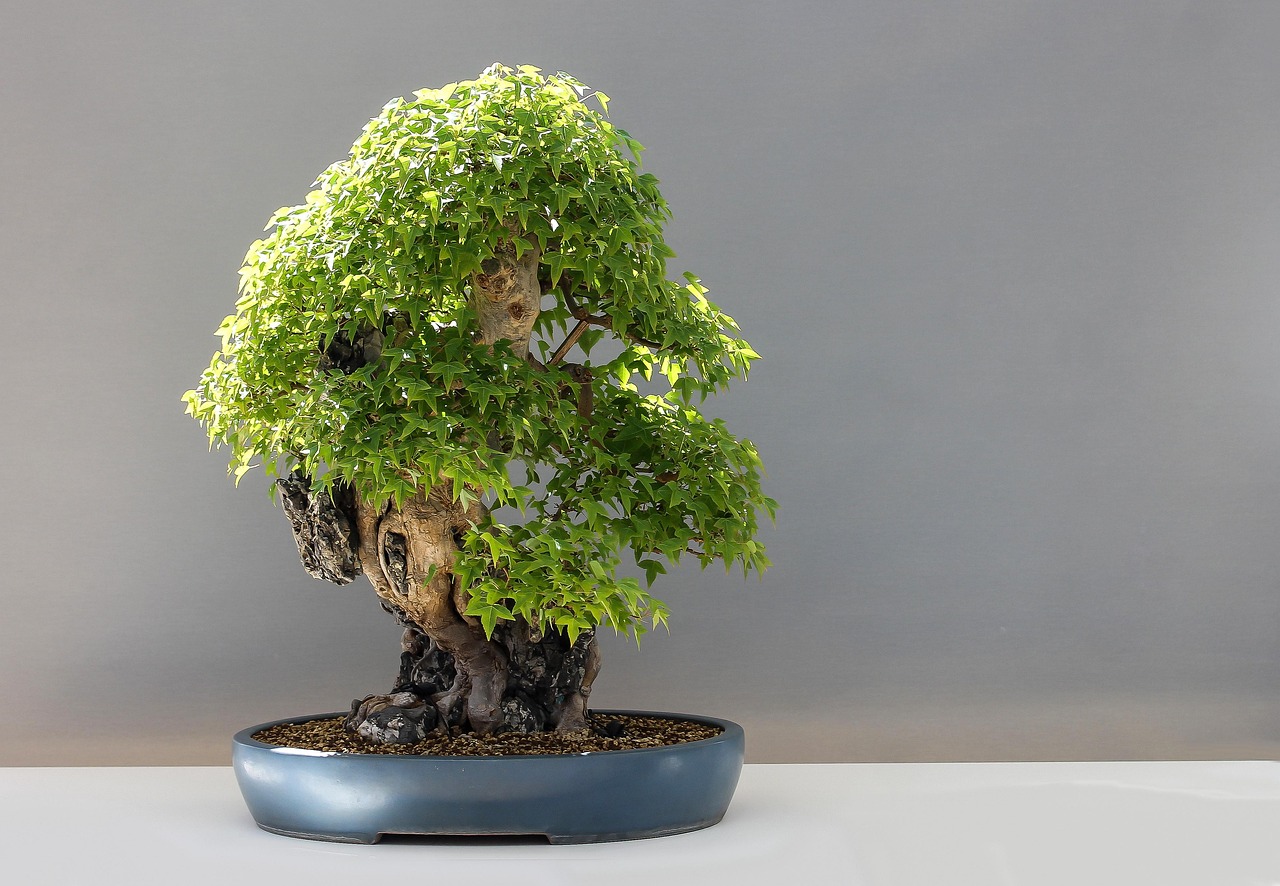
The Beauty of Imperfection in Japanese Art, Bonsai, and Beadwork
Wabi-sabi is a Japanese aesthetic that celebrates the beauty of imperfection, transience, and the natural cycle of life. Rooted in Zen Buddhism, this philosophy encourages an appreciation for the weathered, the worn, and the fleeting. It’s an idea that has shaped everything from Japanese tea bowls to bonsai trees, and surprisingly, it can also be found in the intricate art of beadwork. By understanding how wabi-sabi links to these practices, we can explore how imperfections enhance the charm and depth of creative expression. Wabi-Sabi in Japanese Art and Bonsai In traditional Japanese art, wabi-sabi appears in objects like tea bowls,…