Wabi-sabi is a Japanese aesthetic that celebrates the beauty of imperfection, transience, and the natural cycle of life. Rooted in Zen Buddhism, this philosophy encourages an appreciation for the weathered, the worn, and the fleeting. It’s an idea that has shaped everything from Japanese tea bowls to bonsai trees, and surprisingly, it can also be found in the intricate art of beadwork. By understanding how wabi-sabi links to these practices, we can explore how imperfections enhance the charm and depth of creative expression.
Wabi-Sabi in Japanese Art and Bonsai
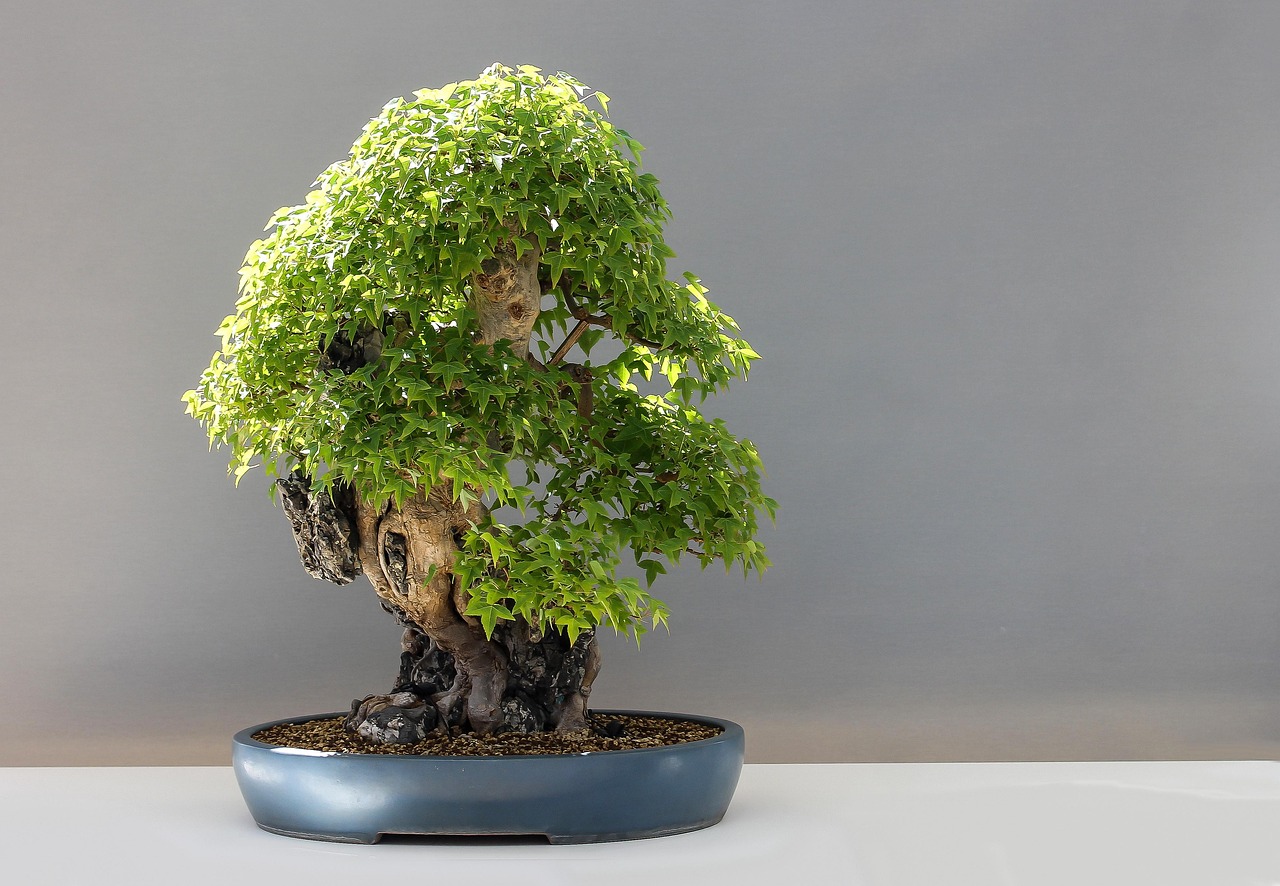
In traditional Japanese art, wabi-sabi appears in objects like tea bowls, which are often intentionally imperfect. Uneven glazes, asymmetry, and signs of age are seen as marks of beauty rather than flaws. Similarly, bonsai — the art of cultivating miniature trees — embraces imperfection as part of the tree’s story. A bonsai tree with twisted, gnarled branches and irregular growth tells a narrative of resilience and age, emphasizing that beauty can emerge from the process of aging and change.
The Connection to Beadwork
Like Japanese art and bonsai, beadwork shares the wabi-sabi philosophy, especially when approached from a mindful perspective. Beadwork involves intricate designs, often composed of tiny, colorful beads that are painstakingly stitched together to form patterns or images. The process itself is slow and meditative, much like the cultivation of a bonsai tree. And like wabi-sabi, beadwork embraces the beauty in imperfection.
While precision is essential in beadwork, the process of stringing beads and creating patterns allows room for small deviations — an uneven thread, an imperfectly placed bead, or a slight variation in the design. These moments of imperfection bring a unique character to each piece. The slight shifts in pattern or the irregularity of beads add depth, making each piece feel alive and personal, rather than machine-made and flawless.
The Power of Imperfection in Beadwork
In beadwork, wabi-sabi’s beauty shines through in the tiny “flaws” that arise during the crafting process. A bead may have an irregular shape, or a pattern might shift slightly, and these changes create a piece that feels more authentic, more human. Just as with bonsai, where the growth of the tree is never entirely predictable, beadwork reveals that beauty is not always about perfection — it’s about the story told through each bead, each knot, and each stitch.
The imperfections that arise can also teach valuable lessons in mindfulness and acceptance. Embracing the unpredictable nature of beadwork can lead to a deeper connection with the craft, where each bead is not just part of a larger design, but a reflection of the present moment.
Conclusion
Whether in Japanese art, bonsai, or beadwork, wabi-sabi reminds us that true beauty lies in imperfection and impermanence. By embracing the subtle shifts in patterns and the “flaws” that emerge in our work, we can appreciate the unique beauty that arises from the process of creation. In beadwork, as in bonsai, each stitch, each bead, each twist of wire tells a story of growth, change, and the acceptance of life’s inherent imperfection.